
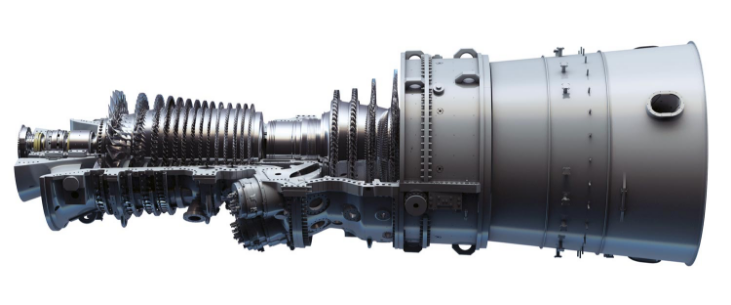
Before ideologues launched their grand wind and solar ‘transition’, gas was rarely used to generate power if coal, nuclear or hydro sources were available. Gas-fired electricity, in the main, was simply too expensive, by comparison with coal-fired power.
Coal-fired generators are designed to run around-the-clock. Wind turbines and solar panels only run according to the dictates of the weather and, in the latter case, depending on the movement of the Sun and, when it’s shining, everything under it, eg – thick cloud, rain, dust, trees and even bird shit.
The crazy and chaotic intermittency inherent in wind and solar has created a place for Open Cycle Gas Turbines and even piston-engined diesels, of the kind used in oceangoing vessels.
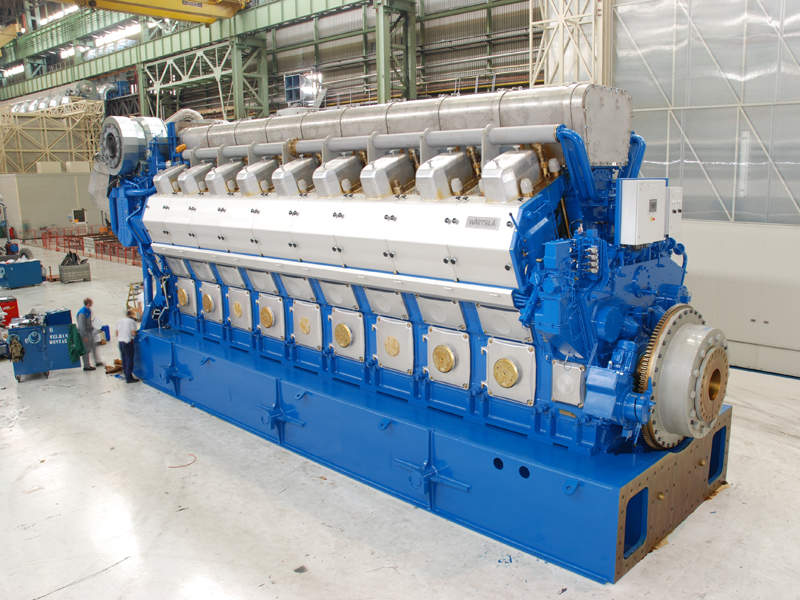
Both are referred to by power generators as ‘peakers’, because they’re designed to run for short bursts to pick up peaks in the load (ie rapid increases in demand). Their running costs are such that they were only ever meant to run at the margins. OCGTs – in essence a jet engine – can run on oil (bunker fuel) as well as gas, and piston-engined diesels can run on gas, as well.
Now, however, they are the mainstay of many a power grid, as the massive subsidies to intermittent wind and solar render coal-fired power plants unprofitable and drive them out of business.
The owners of peaking plants love the daily chaos that comes with wind and solar; they get to charge punitive rates for delivering power in an instant whenever the sun sets and/or calm weather sets in. Every single cent of which gets tacked onto your power bill.
Critical to the new generation model is the availability of gas. Bear in mind that the ‘peakers’ aren’t running all the time and, accordingly, are not taking supply from gas producers around-the-clock. The peakers only need gas when wind and solar output collapses. Hence, they pay a premium for gas which would otherwise be committed in long-term contracts to industrial users, whose demand is constant.
The disaster playing out in Germany is all about their inability to obtain the gas necessary to run their OCGTs, which are critical to account for sudden and often total collapses in wind and solar output. The Germans have had a policy (recently relaxed) of driving their coal-fired and nuclear plants out of business, with gas-fired OCGTs doing more and more of the heavy lifting.
In truth, the wind and solar transition is a transition from cheap and reliable baseload generators to expensive gas generators, which were only ever meant to operate at the margins.
Now that they’ve taken central stage, everyone’s talking about gas, as John Hinderaker outlines below.
Gas keeps the Lights on
Powerline
John Hinderaker
8 January 2024
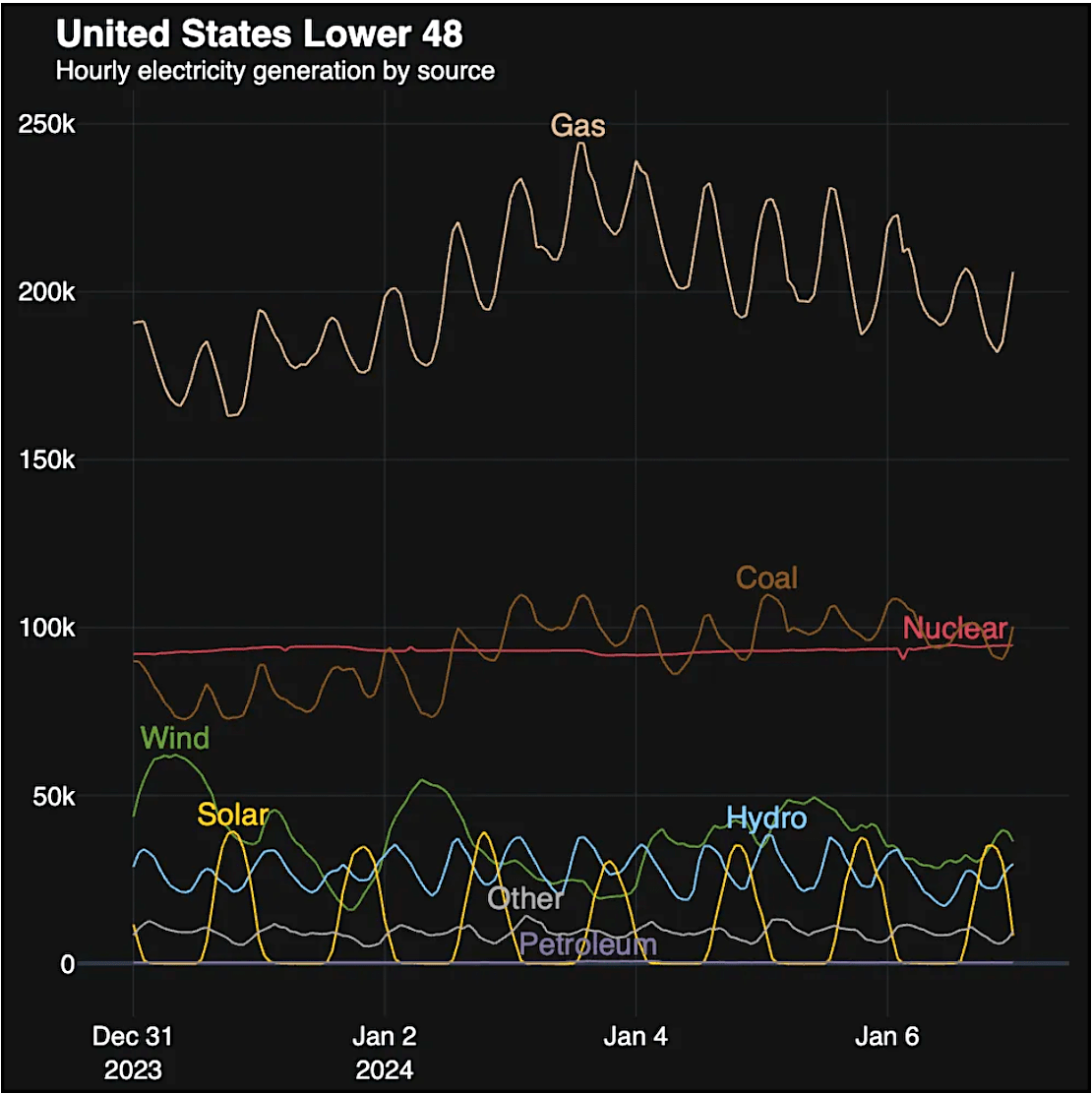
Grid Brief performs the valuable service of reminding us where our electricity comes from, thus dispelling the fog of misinformation that surrounds “green” energy. This chart shows hourly sources of electricity for the week from December 31 to January 7.
It shows that essentially, America runs on natural gas. Coal and nuclear, both cheap and reliable, vie for second place.
Hydropower is a useful if relatively minor player.
Wind is ridiculous: it contributes little, and that little rises and falls randomly, needlessly complicating the jobs of grid operators.
Solar power is not quite as silly as wind, but is reliably unreliable. Why does the energy generated by natural gas rise and fall during any 24-hour cycle? Because grid operators have to turn natural gas plants up when it gets dark, or solar power is otherwise unavailable. Otherwise, gas plants could operate with boring regularity:
It is almost unbelievable that the Biden administration is doing its best to shut down natural gas plants, along with dismantling coal altogether. With what will these plentiful and reliable sources of energy be replaced? Wind and solar? That is not a serious proposal.
Powerline

 STOP THESE THINGS
The Horribly Inefficient Energy Fraud (THIEF) keeps pick pocketing our green $.
The time has come to speak up in defence of coal, assuming that the western nations want to have reliable and affordable power that is clean compared with the massive environmental footprint of wind and solar facililties, looked at through their whole life cycle.
The conjunction of wind droughts and lack of feasible grid-scale storage means that the transition from coal has hit the wall and it should never have been tried.
Growing awareness of wind droughts and the manifest failure of wind and solar in Germany, Britain and South Australia will eventually alert enough people to the suicidal nature of the quest for net zero to enable a change in direction. Rolling blackouts will accelerate the process.
Perhaps I was unclear, CCGT baseload emits less than Intermittents plus OCGT backup.
A little more of an insight as to wind/solar/gas
Sent from Yahoo Mail on Android
If gas was efficiently burned in combined cycle gas turbines (CCGTs) rather than the quick response lower efficiency peakers (OCGTs), emissions from gas as baseload would probably be less than from intermittents plus gas backup. It’s like getting better mileage from country driving compared with start-stop city driving.
That’s why noone is building CCGT plants here, it’s all about fast start peakers, run on gas, kerosene or diesel.