
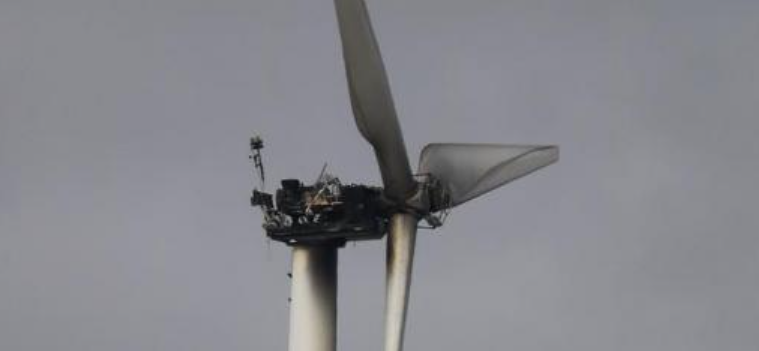
The heroic attempt to increasingly rely on unreliable wind power ultimately reveals itself as suicidal.
Driving reliable conventional generators off the grid and hoping that they will be replaced (in substance) by chaotically intermittent wind power comes with a grab bag of consequences.
Rocketing power prices follow as night follows day; the result of incorporating the subsidies that led to wind power generation in the first place, and paying over the market prices for power generated using expensive gas or diesel fuel run through fast-start up Open Cycle Gas Turbines or even internal combustion ship engines, all of which are inefficient and costly to run.
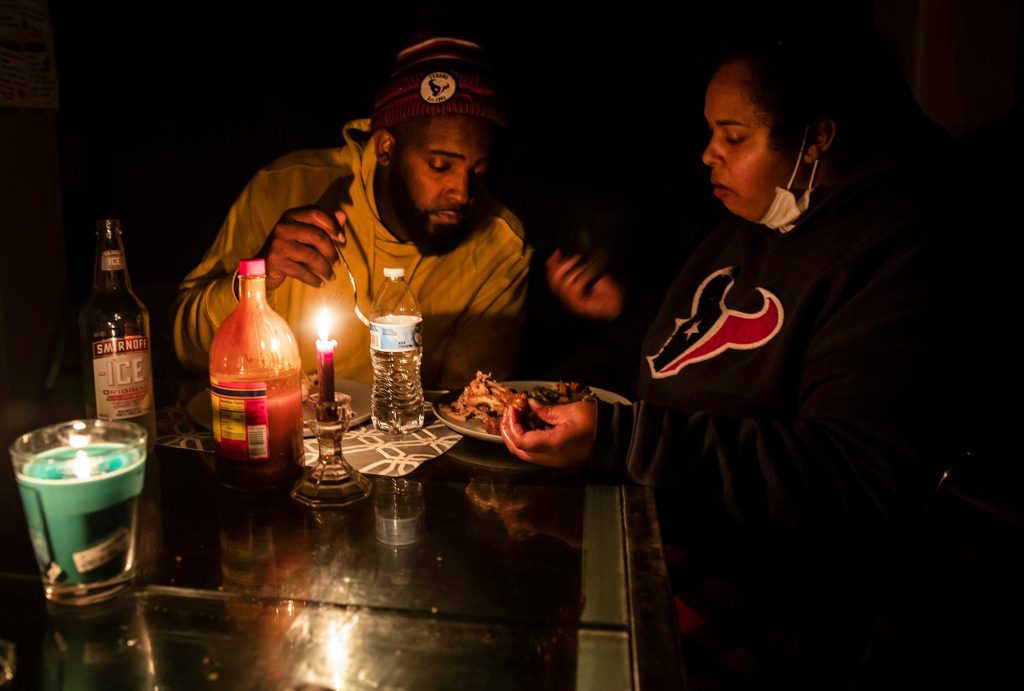
Then come the blackouts, for the reasons laid out by John Hinderaker below.
Here Come the Blackouts
Powerline
John Hinderaker
22 May 2023
You can’t replace reliable energy (coal, nuclear, natural gas) with unreliable energy that most of the time produces nothing (wind and solar). If you do, the electric grid will fail and there will be blackouts. That is the situation we are in today. Isaac Orr writes:
On Wednesday, May 17th, the North American Electric Reliability Corporation (NERC) issued its 2023 Summer Reliability Assessment. Summarizing the report, Utility Dive noted that “Most of the United States will face an elevated risk of blackouts should summer weather turn extreme.”
Which, of course, it will at some times and in some places.
Demand for cooling and the performance of wind and solar resources will be key factors in the grid’s performance. The situation has been exacerbated by demand growth and the retirement of coal and nuclear power plants.
All of the areas of the country appear to have enough reliable power plants online to meet normal summer peak electricity demand, according to the NERC report, but most of the country will “face risks of electricity supply shortfalls during periods of more extreme summer conditions.” The areas at elevated risk are shown in orange on the map below.

The grid is becoming increasingly fragile because of our growing dependence on energy sources that usually don’t show up to work. So far, we still have enough reliable energy to keep the lights on almost all of the time. But as coal, nuclear and even natural gas plants are retired, that will no longer be true.
NERC officials did not mince words when describing the reliability risks the nation faces this summer. “We are facing an absolute step-change,” NERC’s Director of Reliability Assessment and Performance Analysis John Moura said in a call with reporters. Over the past five years, NERC has seen a “steady deterioration in the risk profile of the grid.”
“The system is close to its edge … managing the pace of retirements is critical,” he said.
A common thread of the Utility Dive piece was how the performance of unreliable wind and solar resources would impact grid reliability.
In other words, if the wind doesn’t blow, we are screwed. As it happens, the times of hottest and coldest temperatures are also generally times when there isn’t much wind. Isaac points out that the Summer, when demand for air conditioning peaks, tends to be calm.
Data from the U.S. Energy Information Administration (EIA) show wind generation can virtually reach zero during hot summer days. To depend on wind to meet surging electricity demand is to gamble with grid reliability. Maybe it will work, maybe it won’t.
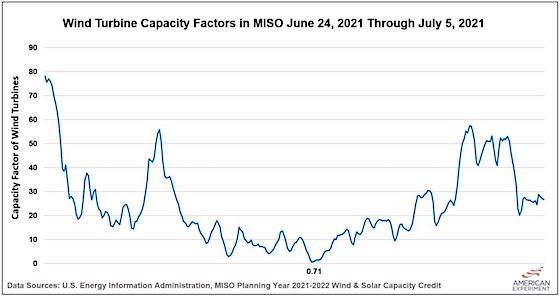
You read that correctly: in the heart of the Summer, over the entire Midcontinent Independent System Operator territory, wind turbines generally produce less than 30% of their rated capacity. Sometimes they produce virtually nothing over the entire region.
This is obviously a recipe for grid failure. You might assume that the liberals who are now in charge of energy policy have a plan to prevent grid collapse. You would be wrong. They don’t. It isn’t a question of whether we experience massive blackouts, it is a question of when. Every year, as reliable power is replaced with sporadic power, blackouts become more likely until they are inevitable. If not this year, it will be next year. If not then, the year after. Isaac concludes:
The biggest tragedy in this situation is that the blackouts are entirely foreseeable and preventable, but the Biden administration and liberal state lawmakers are intent on pushing policies that make them inevitable. Elections have consequences.
And those consequences are turning out to be tragic.
Powerline
 STOP THESE THINGS
Reblogged this on whatyareckon and commented:
When the turbines do not turn just have the politicians that love these things begin their speeches on how well this will work. They are wind bags enough to do the job!!!
The answer to critics is “storage!”
But when asked “how much” and “at what cost” supporter’s response is vague handwaving.
I’ve quantified it at http://vandyke.mynetgear.com/Worse.html, using real data for California, Texas, USA as a whole, Denmark, Germany, and EU as a whole, working on Australia now.
In USA, 60 days of storage are necessary, at a cost of only eleven times total GDP every year.
Storage, itself, consumes a substantial amount of already meager power output